
Layer by Layer, a Softer Brilliance

Step into a calmer, more considered home with layered lighting plans that create quiet sophistication. We’ll explore how ambient, task, and accent light compose balanced scenes, how dimming and color temperature shape mood, and how thoughtful placement invites serenity, conversation, and everyday pleasure. Expect practical tips, small experiments, and stories that prove gentle light can quietly transform daily life.

Why Layers Calm the Room

Rooms feel restful when light arrives in measured depths, never from a single blunt source. Layers let eyes settle, soften corners, and draw attention to what matters without shouting. By balancing glow, focus, and highlight, you create a visual rhythm that quietly supports conversation, pause, and presence while reducing glare, contrast shocks, and mental clutter.

01

Ambient that Breathes

Ambient light sets the baseline, a breathable glow that invites ease rather than demanding attention. Think indirect washes, bounce off ceilings, and shaded pieces that avoid harsh hotspots. When the base level is gentle and even, every other layer can be subtle, allowing your senses to relax and your furnishings to speak softly.

02

Task that Respects Focus

Task lighting should illuminate work without flooding the entire space. Desk lamps with warm diffusion, under-cabinet strips tuned to comfortable brightness, and bedside reading lights with tight beams honor attention while sparing others nearby. By respecting boundaries of activity, you protect the room’s calm and prevent the anxiety of overexposure and glare.

03

Accent that Whispers

Accents are storytelling lights that never steal the scene. A gentle art wash, a glow behind books, or a pinspot over a sculptural branch establishes depth and a sense of intimate discovery. The trick is restraint: fewer, warmer, and carefully aimed sources that favor texture, silhouette, and quiet moments over spectacle.

Color Temperature with Intention

Choose Kelvin thoughtfully. Warmer ranges around 2700K to 3000K flatter skin, wood, and evening rituals; slightly cooler 3000K to 3500K supports daytime clarity without tipping toward sterility. Keep consistency within a room to avoid distracting shifts. When in doubt, prioritize warmth and dimming to maintain comfort and preserve the room’s understated grace.

Dim-to-Warm Scenes

Dim-to-warm technology mimics candlelike falloff as brightness lowers, moving from lively glow to intimate amber. This gentle slide protects mood and helps transition routines: dinner into conversation, reading into rest. Avoid abrupt steps or flicker by choosing high-quality drivers, tested compatibility, and controls that encourage slow, mindful adjustments rather than sudden, jarring changes.

CRI and Material Honesty

High color rendering (CRI 90+) keeps fabrics, art, and food truthful. With better rendering, walnut reads deeper, linen clearer, and greenery more alive. Low CRI can flatten subtleties and undermine the calm that authenticity brings. When evaluating fixtures, test samples at night on your actual surfaces to confirm nuance and comfort hold together.

Room-by-Room Quietude

Each space asks for its own cadence. Consider how people gather, pause, and move; then compose layers that serve those patterns with courtesy. Uniform recipes rarely succeed. Small trials with lamps, dimmers, and temporary strips can validate ideas, revealing shadow pockets, reflections, and lovely surprises worth keeping in the permanent plan.

Forms, Materials, and the Character of Light

{{SECTION_SUBTITLE}}
Shades, Diffusers, and Soft Edges

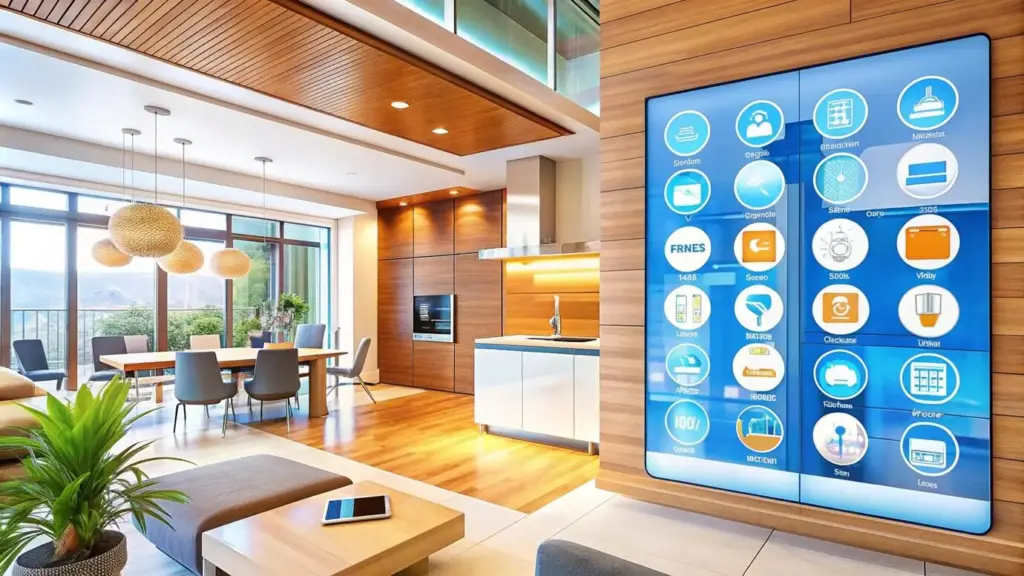
Fabric shades and opal diffusers lower brightness at the source, transforming pinpoints into generous pools. Layer translucent with opaque to direct downward usefulness while keeping a halo that relaxes eyes. Test how the diffuser color interacts with paint and textiles, ensuring the resulting warmth harmonizes rather than muddying subtleties you carefully curated elsewhere.

Reflections, Sheen, and Matte Balance

High-gloss lacquer or polished stone can kick back harsh reflections if the source is too bright or exposed. Matte finishes temper sparkle into hush. Use wall washers and grazing carefully to protect sheen while honoring texture. The most luxurious effect often arises from restraint, where light seems to emanate from surfaces rather than fixtures.

Planning the Plan: Layers, Circuits, and Control

A serene result begins with thoughtful grouping and simple, intuitive control. Circuits should reflect real behavior—reading, dining, soft background—so scenes are natural and repeatable. Keep labeling clear, dimming smooth, and wiring discreet. The test comes at night; walk, sit, and adjust until every pathway and pause finds its perfectly gentle cue.

Zoning and Switching That Feels Natural

Group fixtures by use, not just location: ambient on one circuit, tasks on another, accents on a third. This keeps combinations flexible while avoiding switch clutter. Place controls where actions begin and end. If guests can operate everything without instructions, you’ve designed pathways that support calm rather than introducing little frictions and guesswork.

Smart Control Without Clutter

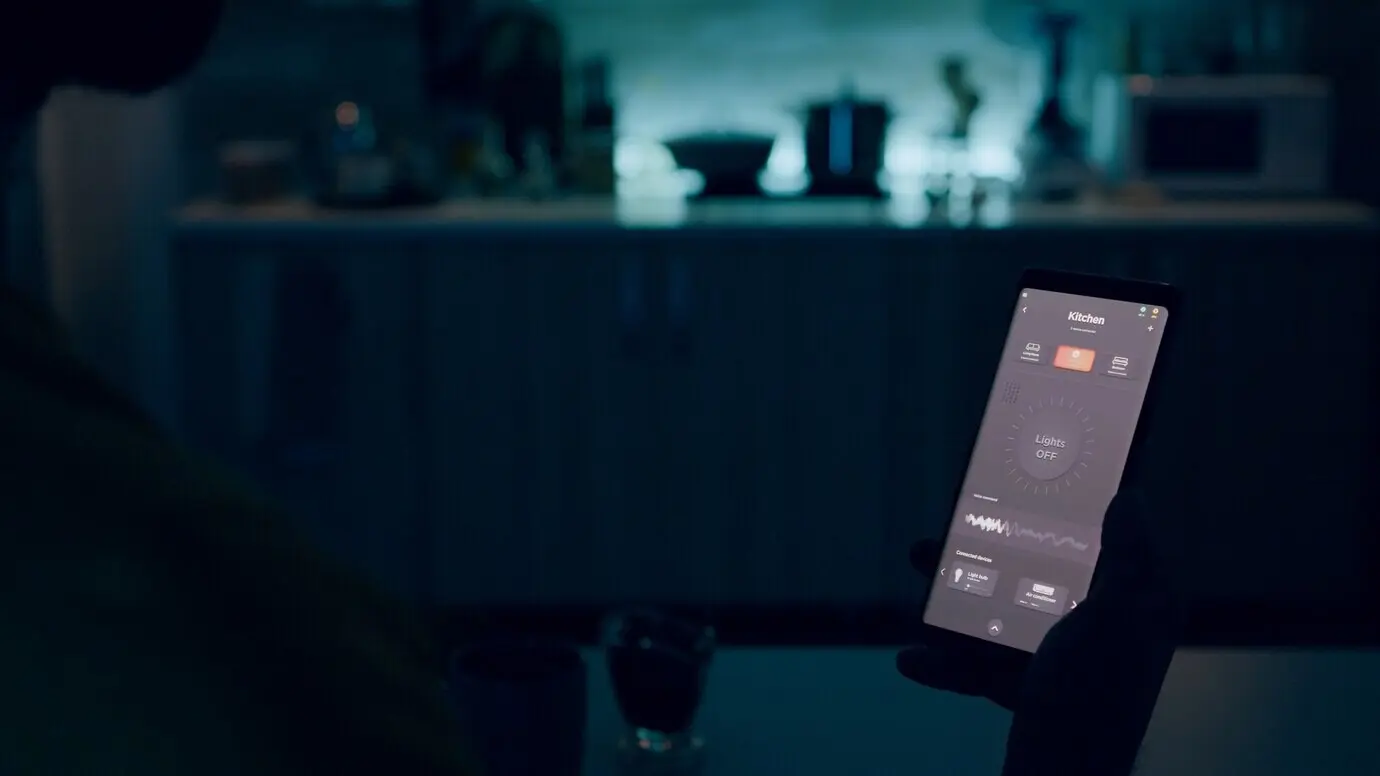
Use scenes sparingly and name them clearly: Welcome, Gather, Unwind, Night. Integrate sensors where helpful, but avoid overautomation that steals agency or surprises guests. Choose systems with reliable dimming curves and quiet hardware. The goal is invisible assistance—technology that disappears behind everyday gestures, keeping the poise of the room front and center.
Sustainable Grace and Mindful Budgets

Quiet elegance should endure. Favor durable LEDs with high-quality drivers, serviceable parts, and reputable warranties. Spend where comfort and longevity matter most—dimming, optics, and everyday touchpoints—while choosing simpler forms elsewhere. Repairs and upgrades become easier, waste drops, and the calm you cultivate today remains trustworthy as your routines gently evolve.

01

LED Choices That Age Well

Look for consistent color binning, high CRI, and dim-to-warm options that maintain personality over time. Confirm compatibility between lamps, drivers, and controls to avoid flicker. Select replaceable components when possible so maintenance is measured, not disruptive. Long-lived, honest light protects both budgets and the delicate mood that steady familiarity creates.

02

Budget Layers that Still Feel Luxurious

Start with the most transformative moves: a soft ambient backbone and excellent dimming. Add strategic accents where eyes naturally land—art, shelves, a textured wall. Choose fewer fixtures of better quality rather than many that fight each other. Thoughtful placement multiplies impact, proving calm refinement depends more on intention than expensive, attention-seeking hardware.

03

Care, Maintenance, and Ongoing Tweaks

Dust shades, wipe lenses, and revisit scenes seasonally. Small shifts in furniture or artwork deserve lighting adjustments. Invite feedback from family and guests, then refine levels to support real routines. Share your experiments, successes, and lingering questions with our community so we can learn together and keep the glow tender and true.


Kerikerovipevaniva
Privacy Overview

This website uses cookies so that we can provide you with the best user experience possible. Cookie information is stored in your browser and performs functions such as recognising you when you return to our website and helping our team to understand which sections of the website you find most interesting and useful.