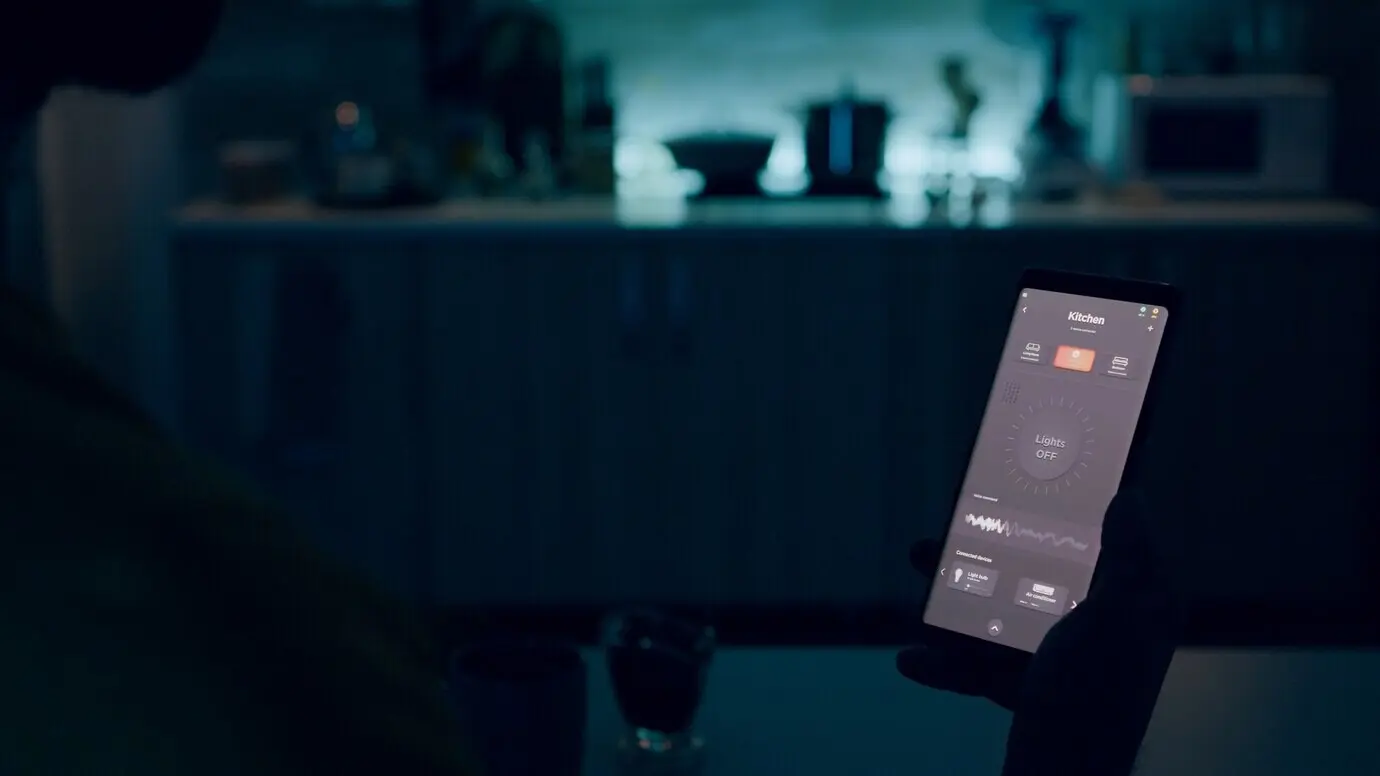
Elegance Unseen: Seamless Smart Living Within Your Interiors
Design-First Planning For Invisible Intelligence
Map Sightlines and Surfaces
Walk each room from multiple approaches, noting where the eye naturally rests and where reflections appear. Plan recesses and flush details so speakers, sensors, and keypads vanish within consistent reveals. Mock up with painter’s tape and cardboard to test heights, finger reach, glare, and shadow before committing to millwork.
Coordinate Trades Early
Put electricians, carpenters, HVAC, and the integrator around the same table before walls close. Share device depths, cable bend radii, service clearances, and heat loads. Agree on access panels that disappear within shadow lines, and document tolerances so field crews protect plaster‑in profiles and delicate finishes during installation.
Prototype Before Commitments
Request finish samples, speaker cloth swatches, and perforation patterns, then build quick mockups in situ. Listen for tonal change, feel button travel through veneer, and observe sensor responsiveness under varied lighting. Prototyping avoids costly revisions and ensures the concealed layer truly disappears once life returns to the space.
Materials That Hide Technology Beautifully
Acoustically Transparent Options
Color and Sheen Matching
Lighting That Disappears Yet Shapes Mood
Invisible Microphone Arrays
Distribute low‑noise microphones across ceilings for reliable far‑field voice pickup, then tune acoustic echo cancellation for each room’s reverberation. Hide status indicators within trims so users confirm privacy without neon distractions. Provide hard mute switches and documented offline modes for moments that should remain completely unrecorded.
Subtle Gestures That Feel Natural
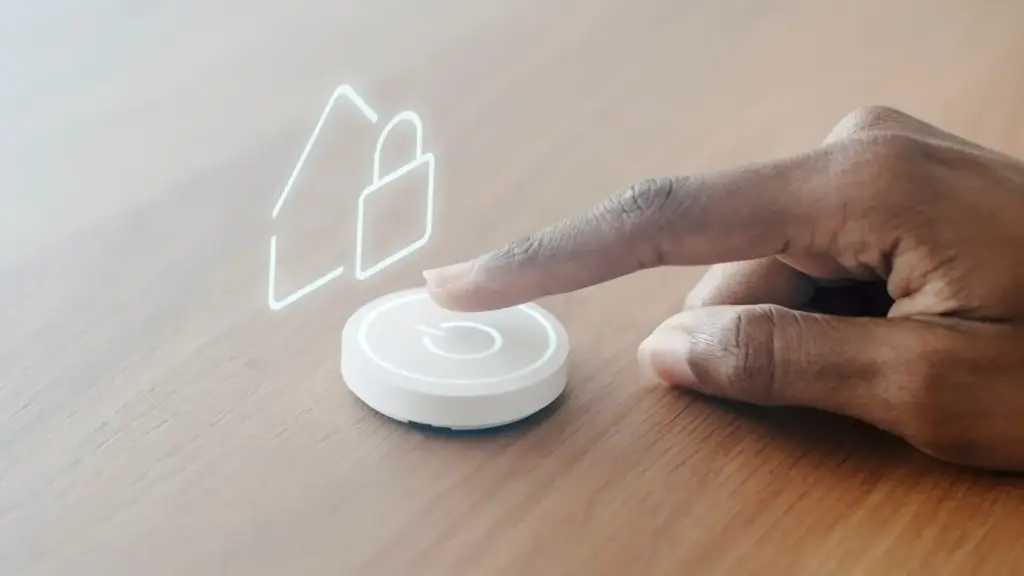
Embed capacitive sensors behind veneer, stone, or fabric where hands already travel: table edges, drawer rails, banister turns. Offer gentle haptic confirmation, not bright LEDs, to preserve atmosphere. Start simple—tap for scenes—and expand only after the household proves the gestures are memorable and comfortable.
Failovers and Human-First Usability
Retain tactile switches for lights and shades so guests and children always have control. Ensure systems degrade gracefully when the internet drops or a hub fails. Provide a concise cheat sheet and invite feedback, updating engravings and automations as habits evolve throughout the first months.
Networks and Power You Never See
Case Study: The Townhouse That Just Feels Calm
Privacy, Security, and Ethics Without Compromise
Cameras That Respect the Room
Data Practices You Can Live With
Transparency With Household and Guests